Wheel Cash-In via GCash or Maya: What Controls Credit and Play
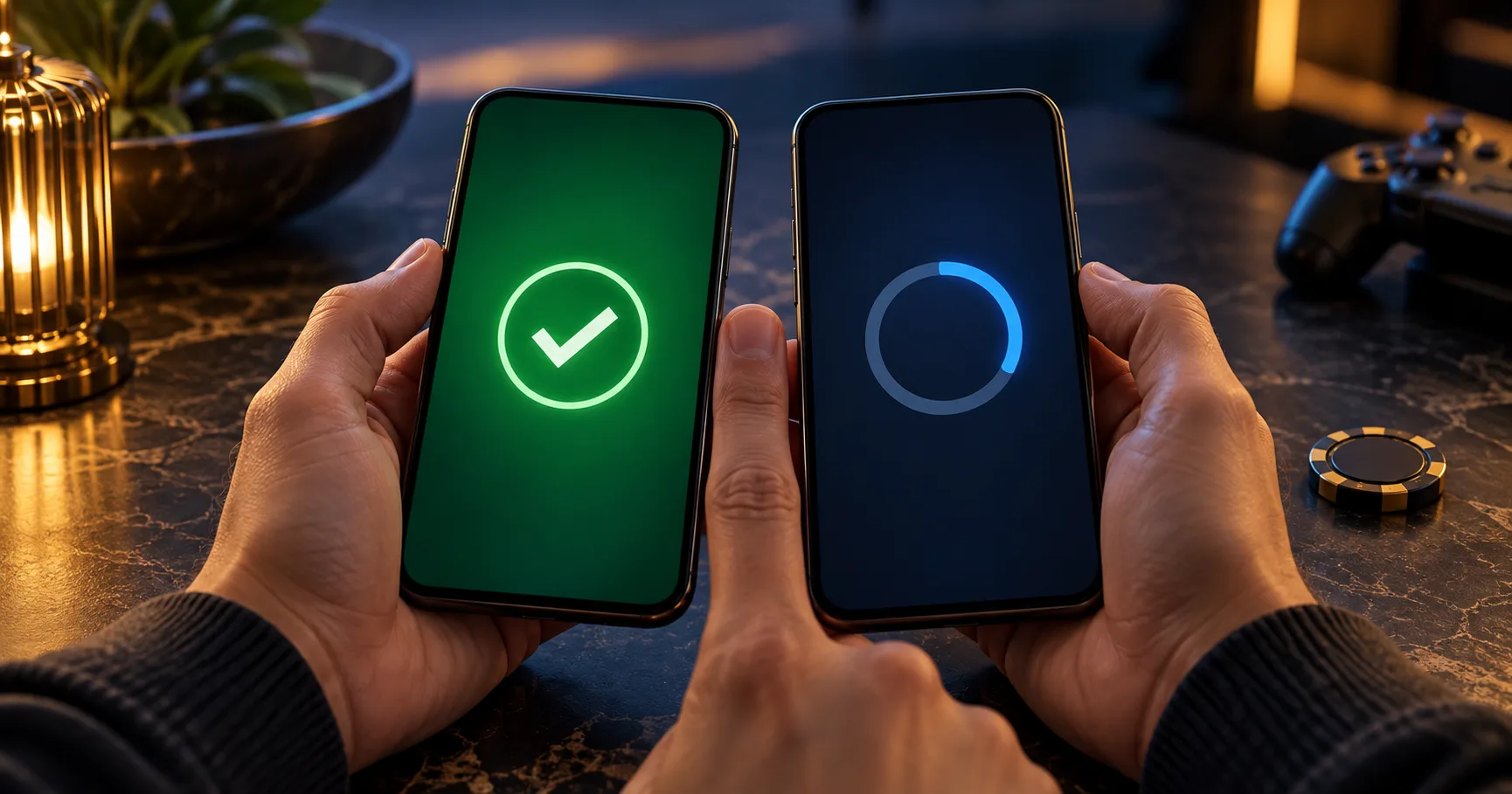
A Wheel cash-in is ready to use only when the gaming account records the deposit and makes that balance available for play. A GCash or Maya confirmation establishes what happened in the wallet; it does not, by itself, establish what the Wheel account has received. That distinction explains most confusing waits, mismatched amounts, and premature second payments.
For an experienced player, the useful comparison is not simply which wallet feels faster. It is which route you can complete within the displayed limits, which confirmation you can retain, and where you can see the payment's state after authorization. Those conditions determine whether a successful wallet action becomes a usable Wheel balance.
The records behind one cash-in
A deposit can pass through several records: the gaming cashier creates a request, the wallet authorizes a debit, and the payment route reports a result back to the gaming account. The account then records a credit or leaves the request pending for review. These stages can move at different speeds, so their screens may disagree briefly without either screen being meaningless.
The wallet record answers whether money left your wallet. The cashier record answers whether a particular deposit request was recognized. The gaming balance answers whether funds are available to stake on Wheel. Match all three before treating the transfer as complete. If the wallet shows a debit while the cashier still shows a pending request, a second payment could create another debit rather than repair the first one.
GCash and Maya at the same decision points
GCash and Maya are realistic local e-wallet routes, but neither has a universal advantage for every Wheel cash-in. The comparison depends on the options presented by the particular cashier and on the state of your own wallet. Check the route you can actually select rather than assuming that both wallets use identical screens or limits.
If both paths meet your amount and documentation needs, the better choice is the wallet with enough spendable funds and a checkout flow you can finish without switching networks or accounts. A familiar wallet does not beat an unfamiliar one when its available balance falls below the required total. Conversely, a higher displayed limit has no practical value when you intend to deposit less than either route's minimum.
A route from cashier request to playable balance
The order matters because each stage provides evidence for the next one. Start inside the cashier, and keep the original request visible or otherwise identifiable until the account reaches a settled state.
Choose the offered e-wallet route in the cashier, then read the displayed minimum, maximum, amount, and any charge before continuing.
Enter an amount within the cashier's range, and confirm that your wallet can cover the total it will actually debit.
Complete the wallet authorization only after its amount and recipient match the payment request you intended to make.
Save the wallet reference or receipt, then return to the cashier to inspect that same request's status.
Check the Wheel account's available balance before staking, even when the wallet has already marked its payment complete.
A redirect, QR screen, or in-app handoff may change what you tap, but it does not change the underlying sequence. The critical link is the match between the request you created and the payment you authorized. If the checkout expires or you close it midway, inspect its recorded status before starting another request.
Why the smallest permitted deposit may still fail
A cashier minimum applies to the requested deposit. A wallet's spendable balance must cover the amount the wallet is asked to debit, which may differ if a charge is displayed. A maximum can also apply at the cashier or wallet stage. The strictest relevant condition decides whether the payment can proceed.
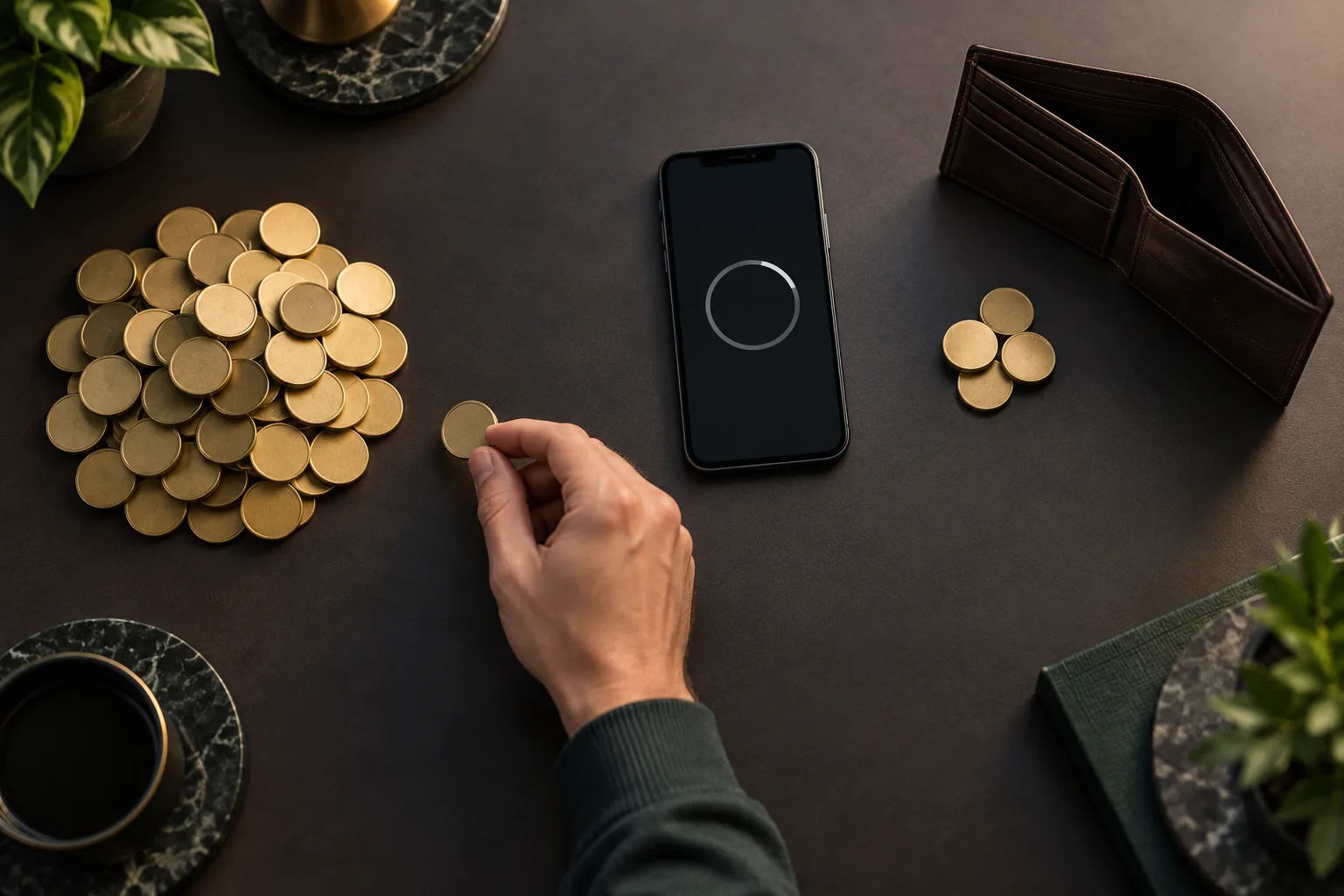
Hypothetical worked example: Suppose a cashier accepts deposits from PHP 300 to PHP 1,000. You have PHP 500 available in an e-wallet and request a PHP 500 deposit. If the confirmation screen shows a hypothetical PHP 5 charge added to the debit, the required wallet balance is PHP 500 + PHP 5 = PHP 505. Your PHP 500 balance is short by PHP 5, even though the deposit itself is within the cashier's range.
Under those same hypothetical conditions, a PHP 490 request would require PHP 490 + PHP 5 = PHP 495. It clears the PHP 300 minimum, stays below the PHP 1,000 maximum, and leaves PHP 5 in the wallet. If the charge were instead deducted from the sent amount, the account could receive less than requested; read the actual confirmation screen to determine which calculation applies. These figures illustrate the mechanism, not the terms of any real wallet or gaming site.
Which clock are you watching?
Payment timing begins at different points depending on the question. A wallet may complete its authorization before the cashier receives or matches the payment result. The account may then take another interval to show an available balance. None of those intervals has a universal duration across all routes, so a single promise about instant credit would be misleading.
If the wallet still awaits your approval, the payment has not passed the authorization stage; revisit the request before attempting a replacement.
If the wallet shows a debit but the cashier shows pending, preserve both references and allow the existing request to resolve.
If the cashier shows credited but the Wheel balance has not changed, refresh the account view and inspect its transaction history.
If the wallet reports failure, check whether a debit exists before repeating the payment through a new cashier request.
These states call for different actions because they locate the uncertainty in different records. A loading screen alone is weak evidence: it may reflect a slow connection rather than a payment result. Use the transaction history and references to decide what happened, especially if you moved between mobile data and Wi-Fi during checkout.
What a receipt can and cannot prove
A wallet receipt is valuable because it can identify an amount, time, recipient, and reference. It cannot prove that the gaming account matched the payment to the intended deposit request. Conversely, an account balance that rose without a visible wallet receipt deserves a closer look at the account's own transaction record before you assume which payment funded it.
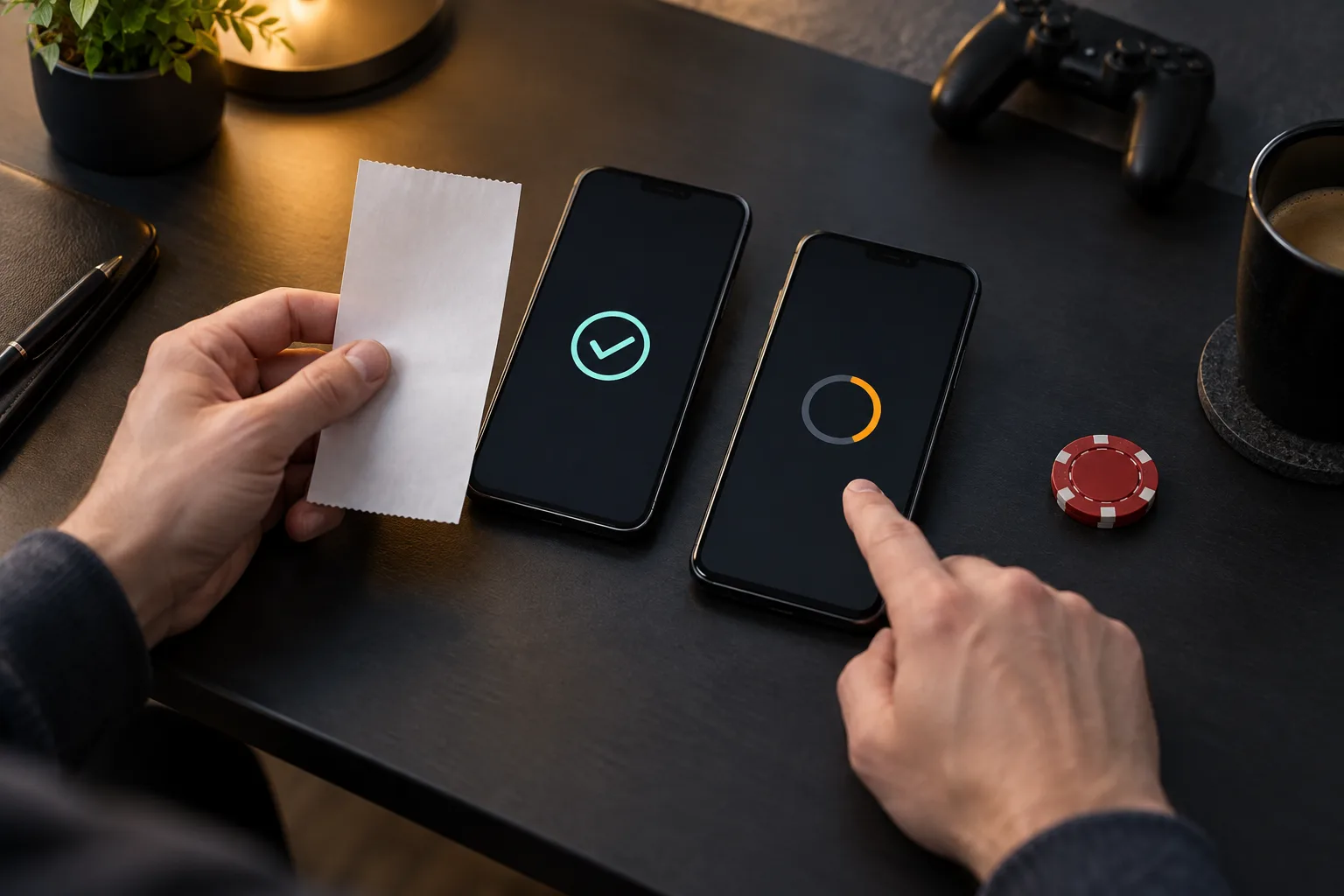
Compare the receipt amount with the cashier request, accounting for any clearly displayed charge or deduction.
Check whether the wallet reference and cashier request refer to the same attempt, rather than to an earlier deposit.
Record the status shown in each place while the mismatch is visible, since later screens may replace it.
Confirm the available Wheel balance separately from any general account total or pending deposit display.
If support is needed, describe the two records that disagree and provide the relevant references through the site's own support channel. That gives someone a specific transaction to trace. Repeatedly sending the same amount without checking the first attempt makes the record harder to interpret and can tie up more of your session budget.
Credited funds and funds available for Wheel
A posted deposit is not always identical to an immediately stakeable balance. An account may display separate cash and promotional balances, and a particular game may have eligibility conditions. If you used a Promo Code during checkout, check whether the deposit was assigned to an offer. A Bonus can affect which balance is selected for play and which games count toward its conditions.
Those offer rules are separate from the payment route. GCash or Maya can deliver the deposit while the account applies conditions to how an associated promotional balance is used. When a Wheel stake is declined after a deposit appears, inspect the available cash balance and any offer conditions before diagnosing the wallet transfer as failed. A successful payment and an ineligible stake can both be true.
When one wallet is the better choice
Choose the route that satisfies the current cashier limits, leaves enough spendable wallet balance for the displayed debit, and produces a reference you can match to the request. If only GCash meets those conditions, GCash is the practical option for that transaction. If only Maya does, Maya is. When both do, an existing funded balance and a stable checkout path matter more than a general claim that one brand is faster.
The comparison also changes when you need to recover from a mismatch. A route with a clearly visible request status and wallet reference is easier to trace than one whose handoff you cannot reconstruct. Before a weekend session, checking those details takes less time than untangling a duplicate payment after the first screen appears to stall. The decision rule remains simple: fund Wheel only after the requested amount, wallet debit, cashier record, and playable balance agree.